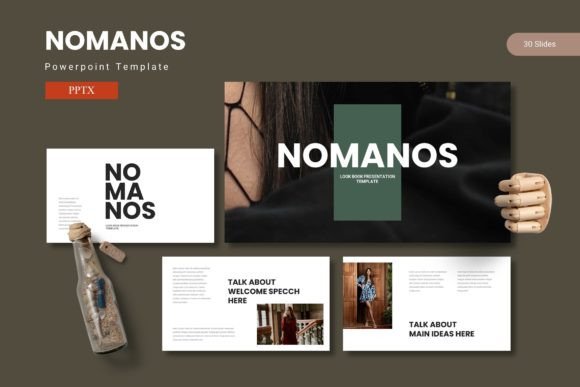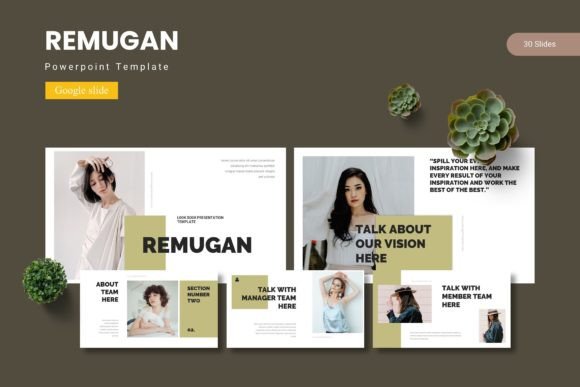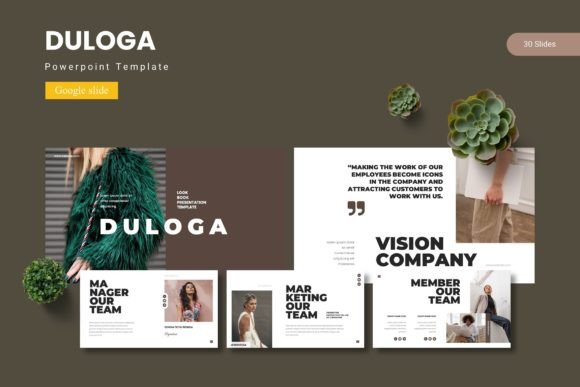
Business Proposal Presentation Template
When you are preparing to pitch a new initiative, seek investment, or present a strategic plan to stakeholders, the quality of your presentation can determine whether your message lands or falls flat. A Business Proposal Presentation Template serves as a structured framework that helps you organize your ideas, data, and visuals into a cohesive narrative. These templates are not simply decorative layouts; they are tools designed to streamline your workflow, maintain visual consistency, and communicate your value proposition with clarity. In this article, we will examine the purpose, features, practical applications, and considerations of using these templates so you can decide whether one fits your next project.
What Is a Business Proposal Presentation Template and Why Does It Matter?
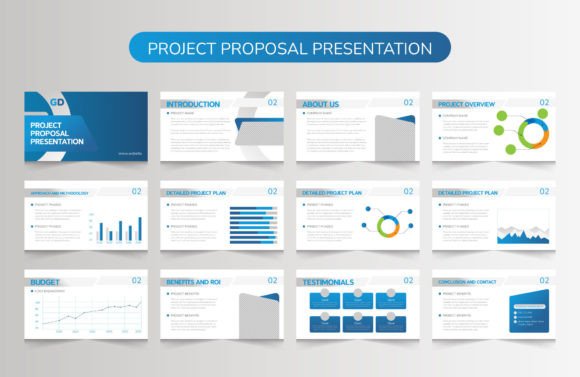
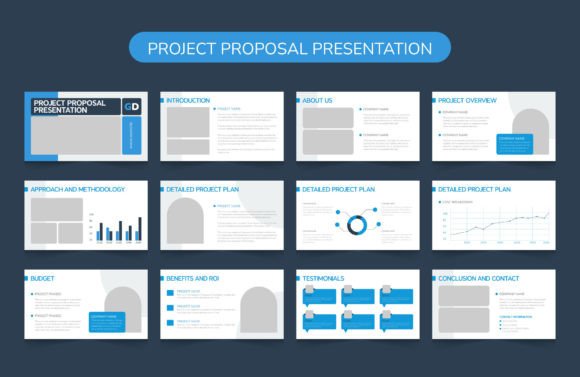
A Business Proposal Presentation Template is a pre-designed slide deck tailored to the structure of a business proposal. It typically includes slides for the executive summary, problem statement, solution description, market analysis, financial projections, timeline, team overview, and call to action. The template provides a visual and organizational scaffold so you can focus on your content rather than starting from a blank canvas. Whether you are a freelancer pitching to a potential client, a startup founder seeking venture capital, or an internal team proposing a new strategy, this kind of template reduces friction and elevates the professionalism of your proposal.
The value of a well-made template extends beyond aesthetics. It helps you ensure that you cover all essential sections, maintain a logical flow, and present your data in a way that is easy for your audience to digest. For busy professionals, the time saved by using a ready-to-use framework can be significant. Moreover, when you present a polished deck, you signal that you have invested care and thought into your proposal—which can enhance your credibility and the perceived value of your offering.
Key Features of a High-Quality Business Proposal Presentation Template
Understanding the core components of a Business Proposal Presentation Template will help you evaluate whether a particular template meets your needs. Based on common industry standards and the specific features often highlighted by providers, here are the elements that define a versatile and practical template.
- AI File: An Adobe Illustrator file that allows you to edit vector elements, colors, typography, and layout with precision. This is especially valuable if you need to customize graphics or match your brand identity exactly.
- EPS File: An Encapsulated PostScript file that is compatible with a wide range of vector editing software. EPS files are scalable without loss of quality, so you can resize elements for print or screen without worrying about pixelation.
- Ready to Use: The template comes with pre-built slide layouts, placeholders for text and images, and a cohesive design system. You can open the file, replace the placeholder content with your own, and have a finished presentation in a short amount of time.
- Image Is Not Included: Templates typically do not include the stock photography or images used in the preview mockups. This means you will need to supply your own visuals or source royalty-free images separately. This is a common practice that keeps the template file size manageable and gives you flexibility to choose images relevant to your project.
- Well-Organized Layer: Layers are structured logically, with naming conventions and grouping that make it easy to find and edit specific elements. Whether you want to adjust the color scheme, swap out icons, or move a text box, a well-organized layer structure saves time and reduces frustration.
- Easy to Edit: The template is designed with user-friendliness in mind. Text fields are clearly marked, color palettes are defined, and instructions may be included. Even if you have limited design experience, you can make meaningful changes without breaking the layout.
These six features are often listed together because they represent a combination of flexibility, quality, and practicality. A template that offers both AI and EPS file formats gives you options depending on your preferred software. The "ready to use" nature coupled with easy editing ensures that the template is accessible to a wide range of users, from design beginners to seasoned professionals.
Who Benefits from Using a Business Proposal Presentation Template?
The audience for these templates is broad, but there are several groups that tend to gain the most value. Entrepreneurs and small business owners often need to create proposals quickly without hiring a designer. Freelancers and consultants pitch their services to clients regularly and benefit from a consistent, professional look. Marketing and sales teams within larger organizations use proposal templates to standardize their pitches and maintain brand coherence. Nonprofit organizations, educators, and even students can also use these templates to present proposals in a clear and compelling way. Essentially, anyone who needs to communicate a business idea in a structured, persuasive format can benefit.
Practical Applications: Where and How to Use the Template
A Business Proposal Presentation Template can be adapted to a wide variety of contexts. Below are several real-world scenarios where such a template proves valuable.
- Startup Pitch Decks: When seeking funding, you need to present your business model, market opportunity, traction, and financials in a concise, engaging way. A template ensures you cover these critical components while maintaining a professional appearance that investors expect.
- Client Proposals: Freelancers and agencies often submit proposals to win new projects. Using a template helps you present your understanding of the client's problem, your proposed solution, timeline, and pricing in a structured format that sets you apart from competitors.
- Internal Project Proposals: If you are proposing a new initiative within your organization—such as a process improvement, a new tool, or a strategic pivot—a template helps you present your case to decision-makers with clarity and data.
- Partnership or Collaboration Proposals: When reaching out to potential partners, a well-designed proposal can communicate mutual benefits and align expectations from the start.
- Grant Applications or Research Proposals: Even outside of commercial contexts, the structure of a business proposal template can be adapted to present a project plan, budget, and expected outcomes to a funding body or review committee.
In each of these scenarios, the combination of Vector Presentation Templates and Infographic elements for use in Presentation can enhance your ability to visualize data, illustrate processes, and highlight key points. Infographics within a proposal make complex information more accessible and memorable, which is a significant advantage when you are competing for attention.
Strengths and Considerations of Using a Presentation Template
While the benefits are clear, it is also important to consider the strengths and potential limitations so you can choose wisely. On the positive side, a good template saves time, ensures visual consistency, and provides a professional baseline that might be difficult to achieve from scratch. The availability of both AI and EPS files means you can work in the software environment you prefer, and the well-organized layers make customization straightforward.
One practical consideration is that the template does not include images. You will need to source or create your own visuals, which is not difficult but does add an extra step. If you are not familiar with vector editing software, you might face a slight learning curve, though most templates are designed with user-friendliness in mind. Additionally, while templates provide a solid structure, you should still tailor the content to your specific audience and context. A template is a tool, not a substitute for thoughtful messaging.
Another point to keep in mind is that if you use a popular template without much customization, your deck may resemble others that are based on the same design. To avoid this, personalize the color scheme, typography, and imagery to reflect your brand identity. The flexibility of the file formats makes this level of customization achievable.
How to Evaluate a Business Proposal Presentation Template for Your Needs
When selecting a template, start by considering the software you have available. If you use Adobe Illustrator, the AI format will give you the most control. If you prefer free or open-source vector tools, an EPS file is often the better choice. Check that the template includes clear instructions and that the layers are named logically. Look at the slide variety—does it include the sections you need? Most templates offer a range of slide layouts, including title slides, content slides, data visualization slides, timeline slides, and closing slides.
Also consider the visual style. Do you want a minimalist, modern look, or something more colorful and infographic-heavy? The inclusion of Infographic elements for use in Presentation can be a major asset if your proposal includes statistics, comparisons, or flowcharts. However, if your proposal is text-heavy, you might prefer a cleaner design. The best template is one that aligns with both your brand and the tone of your proposal.
Finally, review the license terms. Some templates are for personal use only, while others allow commercial use. Make sure the template you choose permits the kind of usage you intend, especially if you are creating a proposal for a client or investor.
Real-World Example: How a Template Transforms a Proposal
Imagine a freelance marketing consultant preparing a proposal for a potential client in the e-commerce space. Without a template, she would need to design slides from scratch, decide on a layout, choose colors, and ensure consistency across ten or more slides. This process could take several hours. With a Business Proposal Presentation Template, she opens the AI file, replaces the placeholder text with her own case studies and pricing, adjusts the color palette to match the client's brand, and inserts relevant screenshots and graphs. The infographic elements allow her to present her past campaign results in a visually engaging way. The result is a polished, professional deck that she can deliver within an hour. The client perceives the proposal as thorough and well-presented, which increases the likelihood of a positive outcome.
Conclusion
A Business Proposal Presentation Template is more than just a set of slides—it is a practical tool that helps you communicate your ideas effectively while saving time and maintaining a high standard of quality. By understanding the key features such as AI and EPS file formats, well-organized layers, and ease of editing, you can select a template that matches your skill level and project requirements. Whether you are pitching to investors, clients, or internal stakeholders, a well-chosen template enhances your professionalism and allows you to focus on what matters most: the substance of your proposal. When you pair the template with relevant Infographic elements for use in Presentation, you add a layer of clarity and engagement that helps your audience grasp your message quickly. Evaluate your needs, choose a template that offers the right balance of flexibility and structure, and you will be well on your way to creating a compelling business proposal presentation.