Puninus – Keynote Template: A Comprehensive Evaluation for Professionals
When preparing a presentation, the choice of template can significantly influence both the design process and audience reception. The Puninus – Keynote Template is a slide toolkit designed to streamline the creation of cohesive, visually engaging decks. For professionals who regularly build presentations for client meetings, internal reports, or conference talks, evaluating a template’s structure, flexibility, and limitations is essential. This article examines the Puninus – Keynote Template from a practical standpoint, exploring its features, potential use cases, tradeoffs, and considerations to help you decide whether it aligns with your specific needs.
What Puninus – Keynote Template Offers
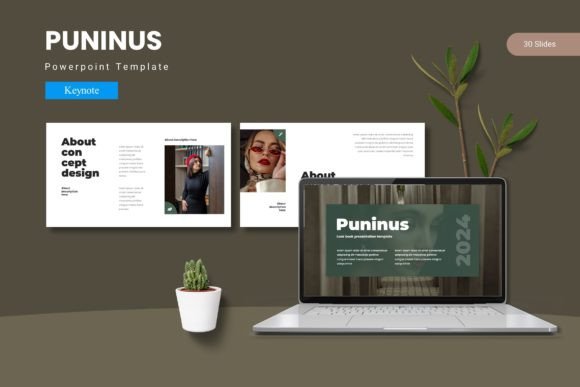
The Puninus – Keynote Template is a comprehensive slide package built for Apple Keynote. It includes 150 total slides distributed across five premade color schemes, with 30 slides per color variant. The template is constructed using master slides, which means that changes made to a master slide propagate automatically to all slides that use that layout. This approach helps maintain visual consistency without requiring repeated manual adjustments. The package also includes section break slides, handcrafted infographic elements, and placeholder frames for images and portfolio content.
Key specifications from the product description include:
- 150 total slides, organized into 5 color variations (30 slides each)
- Section break slides for logical transitions between topics
- Handcrafted infographic elements based on master slide structures
- Pixel-perfect, resizable, and editable vector illustrations
- Picture placeholders with drag-and-drop functionality
- Dedicated gallery and portfolio slide layouts
- 5 Keynote files included (one per color scheme), each containing 30 slides
- Font and photo information provided in a separate folder
This structure makes the template suitable for users who want a ready-to-use design system rather than building slides from scratch. However, understanding the strengths and limitations of such a package is important before committing to it.
Reasons to Consider the Puninus – Keynote Template
Several aspects of the Puninus – Keynote Template may appeal to presentation creators who value efficiency and consistency. One of the most obvious advantages is the sheer volume of content: 150 slides across five color schemes means you can create a long deck without running out of layout options. This is particularly useful for multi-section presentations, such as annual reports, pitch decks, or educational modules, where each segment benefits from a distinct visual cue without breaking overall coherence.
The use of master slides is another practical benefit. Master slides allow you to edit a single layout and have those changes reflected across every slide that uses it. This saves time when adjusting fonts, background colors, or spacing. For teams or individuals who frequently update presentations, this feature reduces the risk of inconsistencies creeping in during last-minute edits.
The inclusion of handcrafted infographics means you do not need to create data visualizations from scratch. These elements are designed to be resizable and editable, so you can adapt them to your specific data points. The pixel-perfect illustration assets further reduce the need for external design work, which is helpful if you lack access to a graphic designer or prefer to keep production in-house.
Gallery and portfolio slide layouts are another practical feature. For professionals who present visual work—such as photographers, architects, designers, or marketers—these layouts provide a structured way to display images without needing to manually align each element. The drag-and-drop picture placeholders simplify the process of swapping in new visuals, making last-minute changes less cumbersome.
Tradeoffs and Practical Considerations
While the Puninus – Keynote Template offers several advantages, it also comes with tradeoffs that may affect its suitability for certain users. One important consideration is platform dependency. The template is built exclusively for Apple Keynote. If you or your collaborators work primarily in PowerPoint, Google Slides, or other presentation software, you will need to convert the files. Conversion from Keynote to PowerPoint can result in formatting shifts, broken animations, or missing font alignments, especially with complex master slides and vector infographics. If your workflow requires cross-platform compatibility, you may need to test the template thoroughly after conversion.
Another consideration is the level of customization flexibility. While the template includes 150 slides and five color schemes, the overall layout structure is fixed within the master slide system. If your presentation requires a unique layout not included in the template—such as a non-standard grid, a specialized timeline, or an interactive element—you may find yourself working against the template rather than with it. In such cases, the template could become a constraint rather than a time-saver.
The five color schemes are premade, which means you are limited to these specific palettes unless you manually adjust colors across all slides. Although the master slide system makes global changes possible, significant color overhauls still require time and attention to ensure consistency across all slide types. Users who need strict adherence to brand colors may need to invest extra effort in customization.
File size and performance are also worth noting. A template with 150 slides, multiple color variations, pixel-perfect illustrations, and infographic elements can result in larger file sizes. On older Mac hardware or systems with limited memory, this may slow down slide navigation and rendering. If you plan to use the template on a less powerful machine, it is advisable to test its performance with a sample deck before committing.
Finally, the "drag-and-drop" placeholder functionality, while convenient, still requires that your images are appropriately sized and cropped beforehand. If you place low-resolution or poorly framed images into these placeholders, the result may not look polished. The template provides structure, but it does not replace the need for high-quality source content.
Scenarios Where Puninus Is a Strong Fit
The Puninus – Keynote Template is likely to serve you well in situations where consistency, volume, and speed matter more than unique customization. For example, if you are preparing a corporate presentation that needs to be delivered across multiple departments, the template’s standardized layouts help ensure that each section feels part of a unified whole. The section break slides can help audiences orient themselves during long presentations, reducing cognitive load.
For users who regularly create presentations but do not have design training, the template reduces the need to make aesthetic decisions from scratch. The handcrafted infographics and pixel-perfect illustrations provide a professional baseline that would take significant time to replicate manually. This can be especially valuable for small business owners, educators, or nonprofit staff who produce presentations as part of their role but have limited design resources.
Another strong fit is for portfolio presentations or visual showcases. The dedicated gallery and portfolio slide layouts are tailored for displaying images cleanly, making the template suitable for photographers, artists, architects, and product marketers. The drag-and-drop placeholders simplify the process of swapping in new work, which is useful for clients who update their portfolio frequently.
When Alternatives May Be Worth Considering
Despite its strengths, the Puninus – Keynote Template may not be the best choice in every situation. If your presentation requires heavy data visualization—such as complex charts, interactive graphs, or custom timelines—you may find the template’s infographic assets limiting. While the included infographics are well-designed, they are static and intended for moderate data presentation. For data-heavy decks, a template with more robust charting capabilities or integration with external data tools might be more practical.
If you or your team rely on PowerPoint or Google Slides for collaboration, the Keynote-only nature of this template is a significant barrier. Even with conversion, you may lose some of the template’s finer design details. In collaborative environments where multiple people need to edit slides simultaneously, a cloud-based solution with native compatibility may be a better fit.
Users who need extremely tight brand control—such as marketing teams at large organizations—may find the premade color schemes and predefined layouts too rigid. While customization is possible, it may require more effort than starting with a minimalist template and building brand-specific elements from the ground up. In these cases, a more modular or bare-bones template might be more efficient in the long run.
Similarly, if your presentation will be delivered on older hardware or via a web-based platform, the file size and rendering demands of a 150-slide template with high-resolution assets could be problematic. A lighter, more streamlined template might perform better in such environments.
Practical Decision-Making Insights
To determine whether Puninus – Keynote Template aligns with your goals, consider the following factors:
- Your primary presentation platform: If you and your audience use Keynote natively, the template works as intended. If cross-platform sharing is required, test compatibility early in your decision process.
- Your need for customization: If your brand colors, typography, and layout preferences fall within the template’s existing structure, adoption will be smooth. If you need extensive modifications, factor in extra setup time.
- Your presentation length and structure: The template is well-suited for longer, multi-section decks. For short, highly tailored presentations, a simpler template may suffice.
- Your content type: The template excels with image-heavy portfolios and standard business content. For data-heavy or highly interactive presentations, evaluate whether the included infographics meet your needs.
- Your hardware: Ensure your Mac can handle the file size and rendering demands. Test a sample file if possible.
Taking these points into account can help you weigh the template’s practical value against your specific context. No single template fits every situation, and the best choice depends on the balance between convenience, flexibility, and performance that your workflow requires.
In summary, the Puninus – Keynote Template offers a structured, visually consistent solution for Keynote users who need a large volume of ready-made slides. Its strengths in consistency, infographic support, and portfolio layouts make it a strong candidate for many professional scenarios. At the same time, its platform limitations and fixed layout structure mean that users with specific customization needs or cross-platform requirements should evaluate alternatives carefully. By aligning the template’s features with your own presentation demands, you can make an informed decision that supports your goals effectively.