How UI/UX Mobile App Templates Transform Gardening Methods Into Digital Walkthroughs
Designing a mobile app that teaches gardening methods or guides users through planting walkthroughs requires more than just attractive visuals. It demands a clear, intuitive interface that breaks down complex steps into manageable instructions. UI/UX mobile app templates designed specifically for gardening, ecology, and lifestyle applications offer a structured foundation for creating these experiences. When combined with editable graphic instructions and linear conceptual layouts, these templates help users learn, practice, and master planting techniques directly from their smartphones.
In this article, we explore how a carefully crafted UI/UX mobile app screen set for gardening methods can serve educators, hobbyists, app developers, and content creators. We will examine the purpose, significance, and practical relevance of such templates, and discuss how they fit into modern life, work, business, education, and daily activities. Whether you are building a fitness app, a medicine tracker, a social network, a banking interface, or a delivery service, the principles behind a well-designed gardening walkthrough template can inform your own projects.
Understanding UI/UX Mobile App Templates for Gardening Methods
A UI/UX mobile app template is a pre-designed set of screens, components, and style guidelines that speed up the app development process. When the template is built around gardening methods, it typically includes screens for plant selection, soil preparation, seed sowing, watering schedules, growth tracking, and harvesting. The planting walkthrough steps are presented as editable graphic instructions, often using linear concepts to show progression from one stage to the next.
These templates are not just for professional designers. They are also valuable for business owners, educators, and hobbyists who want to create a functional, visually consistent app without starting from scratch. The product file formats commonly include EPS and JPEG, often with a white background to make integration into other designs seamless. The fonts used, such as Myriad Pro-Bold and Myriad Pro-Regular, ensure readability and a modern aesthetic.
Why Gardening Apps Need Clear Walkthroughs
Gardening involves many sequential steps. A user might need to know when to plant, how deep to sow seeds, how much water to give, and when to transplant. A mobile app that presents this information through a planting walkthrough reduces confusion and increases the chances of success. Editable graphic instructions allow the app to be customized for different plants, climates, or skill levels. Linear concepts help users follow a logical path from start to finish, which is especially helpful for beginners.
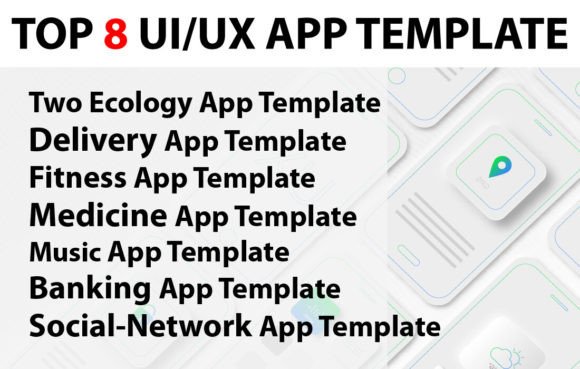
By using a UI/UX mobile app screen set that includes these walkthroughs, creators can deliver an experience that feels guided and supportive. The screens can include progress indicators, checklists, and visual cues that make complex tasks feel simple. This approach is widely used in other domains such as fitness apps (workout routines), medicine apps (dosage tracking), music apps (learning chords), social networks (onboarding flows), banking apps (transaction steps), and delivery apps (order tracking).
The Significance of Editable Graphic Instructions in Mobile App Design
Editable graphic instructions are a core feature of many modern mobile app templates. They allow designers and content creators to modify text, images, icons, and colors without needing advanced coding skills. For a gardening methods app, this means you can update planting guides for different seasons, regions, or plant varieties quickly. The editable nature of these instructions also makes it easy to localize content for different languages or cultural contexts.
From a UI/UX perspective, editable instructions empower the app to remain relevant over time. As gardening techniques evolve or new plant varieties become popular, the app can be refreshed without a complete redesign. This flexibility is a key reason why templates in EPS and JPEG formats remain popular among designers. The white background of many template files simplifies the process of integrating graphics into different screen layouts or marketing materials.
Linear Concepts: Guiding Users Step by Step
Linear concepts in UI/UX refer to designs that guide users through a sequence of actions in a clear, logical order. In a planting walkthrough, this might mean showing the user a screen for seed selection, followed by soil preparation, then planting depth, watering frequency, and so on. Each screen builds on the previous one, creating a narrative that is easy to follow. Linear design reduces cognitive load because the user does not have to jump between unrelated sections. This is especially useful for gardening novices who may feel overwhelmed by too much information at once.
Examples of linear concepts in action include:
- Step indicators showing the user where they are in the process (e.g., step 2 of 5).
- Progress bars that fill as the user completes each stage.
- Sequential icons that change color or shape to indicate completion.
- Animated transitions that move the user naturally from one screen to the next.
These design elements make the app feel responsive and supportive. They also reinforce the educational aspect of the app, helping users internalize each step before moving on.
Practical Relevance: How These Templates Fit Into Modern Life
Gardening has seen a resurgence in popularity in recent years, driven by a desire for fresh food, sustainable living, and outdoor activity. Many people turn to mobile apps for guidance, but they often encounter poorly designed interfaces that are confusing or incomplete. A well-designed UI/UX mobile app template addresses this gap by providing a polished, professional experience right from the start.
For business owners and entrepreneurs, using a template reduces the time and cost of app development. Instead of hiring a full design team, you can purchase or license a template and customize it for your brand. This is particularly valuable for small businesses in the gardening, ecology, or lifestyle sectors. The product file formats like EPS and JPEG ensure that you can edit the graphics in popular design software and export them for different platforms.
Educators and content creators can also benefit from these templates. If you are teaching a gardening course or creating instructional content, a mobile app with clear walkthrough screens can supplement your lessons. The ability to edit instructions means you can tailor the app to your specific curriculum. Similarly, fitness trainers, medical professionals, music teachers, and social media influencers can use the same template principles to create apps for their own domains.
Beyond Gardening: Cross-Industry Applications
The same design principles that make a gardening walkthrough effective apply to other industries. For example:
- Fitness apps use linear walkthroughs to guide users through exercise routines, with editable instructions for different workout levels.
- Medicine apps use step-by-step screens to track medication schedules, dosage, and refill reminders.
- Music apps use walkthroughs to teach chord progressions, scales, or song structures.
- Social networks use onboarding walkthroughs to introduce new features or guide content creation.
- Banking apps use sequential screens for transactions, account setup, and security verification.
- Delivery apps use tracking walkthroughs to show order status, estimated arrival, and delivery confirmation.
In each case, the core UI/UX template remains similar: a linear progression of screens with editable graphic instructions, clear typography (often using fonts like Myriad Pro-Bold and Myriad Pro-Regular), and a clean white background for versatility. This cross-industry relevance is what makes investing in a quality template so valuable.
Clarifying Common Misunderstandings About UI/UX Templates
Some people assume that using a template limits creativity or results in generic designs. In reality, a UI/UX mobile app template is a starting point, not a finished product. The best templates are highly customizable, allowing you to change colors, fonts, icons, images, and text to match your brand. They are designed by professionals who understand user behavior, so you are building on a foundation of proven design principles.
Another misconception is that templates are only for non-designers. Yet many experienced designers use templates to speed up their workflow, especially for common screen types like onboarding, registration, settings, or walkthroughs. By using a template for the standard screens, designers can focus their energy on the unique, high-value parts of the app. This is a smart use of time and resources.
Finally, some believe that templates are not suitable for complex apps. However, the best templates are modular and scalable. You can add or remove screens, adjust the navigation flow, and integrate custom functionality. For a gardening methods app, you might start with a basic walkthrough template and then add a social feed for community tips, a barcode scanner for plant identification, or a weather API for local forecasts. The template gives you a solid structure to build upon.
How to Choose the Right Template for Your Project
When selecting a UI/UX mobile app template for gardening methods or any other purpose, consider the following factors:
- File formats: Ensure the template is available in formats you can edit, such as EPS and JPEG. EPS files are vector-based and scale without losing quality, while JPEG files are useful for quick previews and web use.
- Typography: Check that the template uses fonts you can license or that are easily replaceable. Myriad Pro-Bold and Myriad Pro-Regular are popular choices for their clean, modern look.
- Screen coverage: Does the template include all the screens you need, such as onboarding, login, dashboard, walkthrough, settings, and results? A comprehensive screen set saves you from designing missing pieces later.
- Editable layers: Look for templates with organized layers and groups, making it easy to find and modify individual elements.
- White background: A white background is versatile and works well for most app designs. It also makes it easier to integrate graphics into different marketing materials.
Conclusion: Building a Better App Experience
A UI/UX mobile app template for gardening methods, complete with planting walkthrough steps and editable graphic instructions, is more than just a design tool. It is a practical solution for creating apps that educate, guide, and engage users. By using linear concepts, clear typography, and customizable graphics, developers and content creators can deliver a polished experience that works across industries—from ecology and fitness to medicine, music, social networking, banking, and delivery.
Whether you are launching a new app or improving an existing one, investing in a high-quality template saves time, reduces costs, and ensures a professional result. The principles outlined here apply to any domain where step-by-step guidance is essential. With the right template, you can transform complex processes into simple, beautiful walkthroughs that users will love.
If you are ready to create a gardening app—or any app that benefits from clear walkthroughs—explore the UI/UX mobile app screen sets available in EPS and JPEG formats. Look for templates that use reliable fonts like Myriad Pro-Bold and Myriad Pro-Regular, and prioritize editable graphics that you can tailor to your audience. With these resources, you can build an app that is both functional and inspiring.